



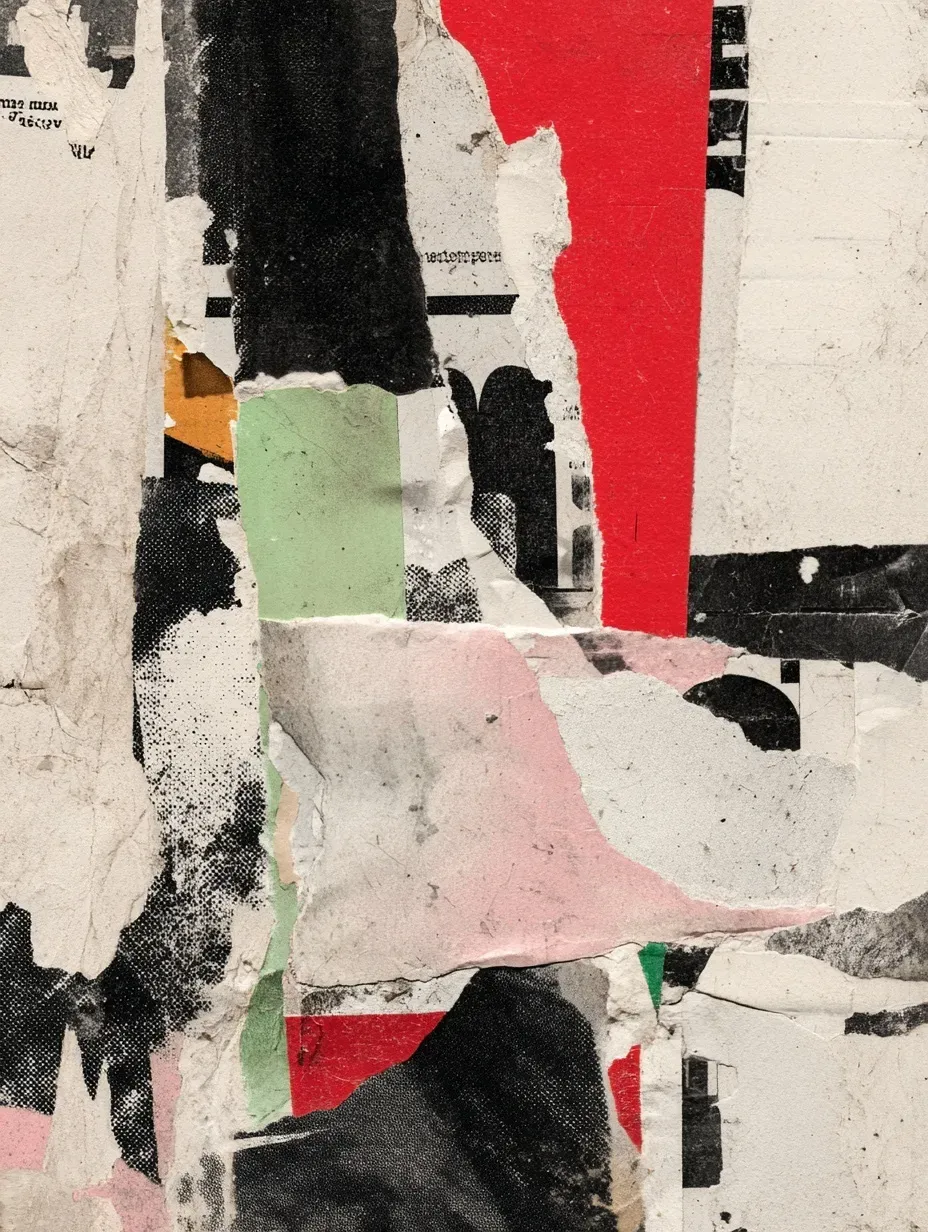
The power to generate images "in the style of..." has raised significant ethical and legal questions, particularly regarding the use of living artists' names as style modifiers.
For artists building a portfolio or a gallery, it is critical to adopt an ethical approach to prompting that respects intellectual property and artistic labor. This isn't just about legality; it's about being a responsible member of the creative community.
The problem of style mimicry
When you use a prompt like “a portrait in the style of [Specific Contemporary Artist],” the AI attempts to mimic that artist's unique, recognizable aesthetic. While this is a powerful creative tool, it can undermine the value of the human artist's original work. The ethical line is often crossed when the resulting work is difficult to distinguish from the original artist's signature style.
CODE
// Ethical approach: describe the style, don't name the artist
Instead of: In the style of [Artist X], Use: Highly detailed geometric collage, vibrant color fields, abstract patterns.
Best practices for ethical prompting
To ensure your work is ethically sound and legally safer, focus on describing elements rather than citing individuals.
- Cite Movements: Use public domain terms like Baroque, Ukiyo-e, or Art Deco. These represent broad, historical movements, not a single living creator.
- Describe Technique: Instead of naming a modern digital painter, use "heavy impasto texture," volumetric lighting, or "digital painting with a graphic novel aesthetic."
- Use Public Domain Artists: Referencing deceased artists whose work is in the public domain (e.g., Rembrandt, Monet, Hokusai) is generally accepted, as their style belongs to the public.
Cita
"Respecting an artist’s style means understanding the technical components of their work, not just invoking their name as a shortcut."
Licensing and commercial use
The commercial rights to your generated image often depend on your chosen AI platform’s terms of service. Always check if your subscription tier grants you commercial rights to images generated using styles that mimic living artists.
Avoid selling images where the style is indistinguishable from a contemporary, named artist.
The most responsible approach is to treat AI as a collaborator. Use it to synthesize ideas from history and theory, not merely to clone the signature of a living contemporary artist.


Comments