



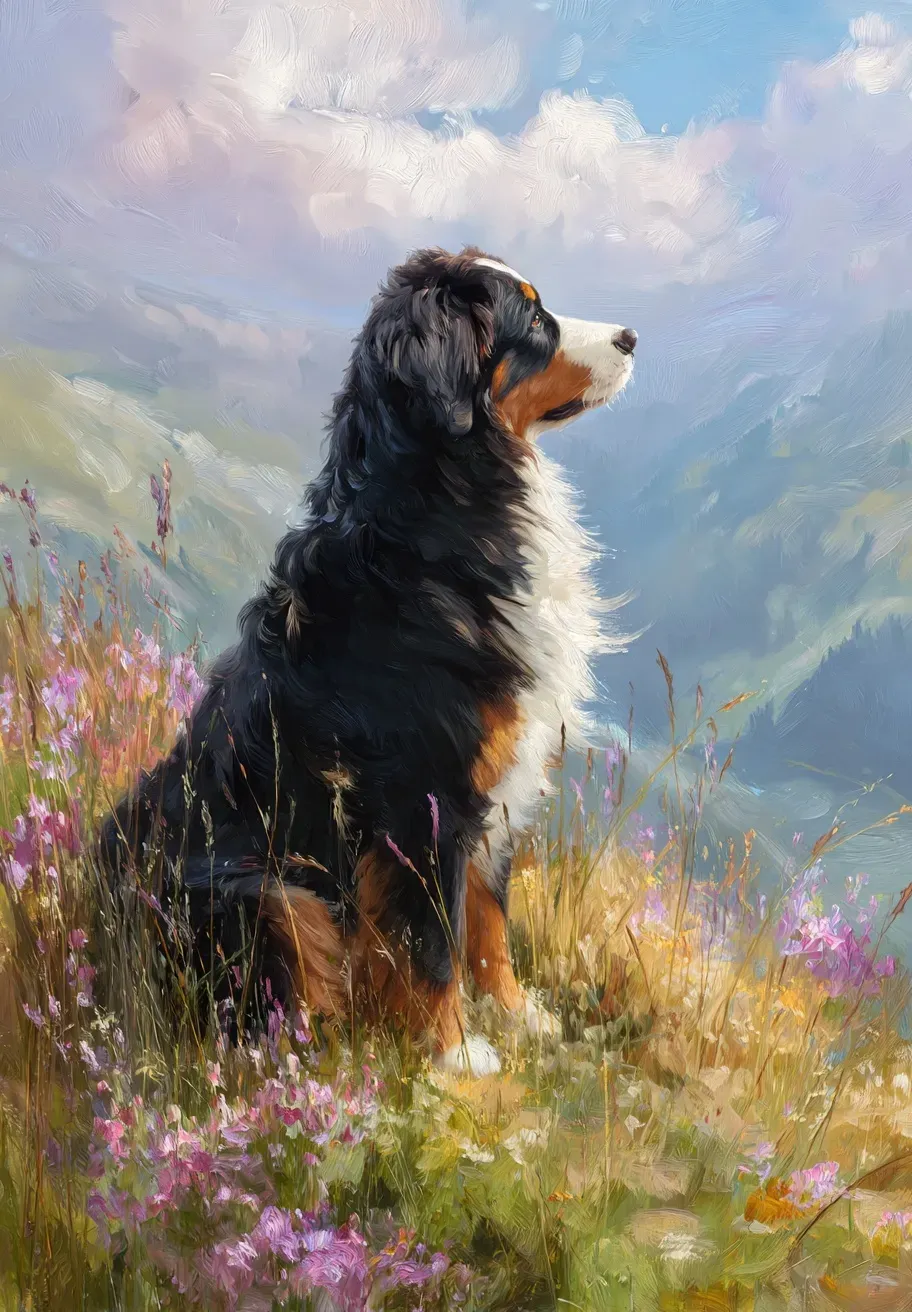
Generative AI models are vast libraries of art history, capable of replicating the visual language of almost any movement—from the detailed brushstrokes of the Renaissance to the chaotic colors of Expressionism.
For digital artists, this presents an unprecedented opportunity to create new works while paying homage to the masters. Mastering the technique requires understanding the vocabulary of art history and how AI interprets those specific visual cues.
The language of art movements
Every art movement is defined by three key visual elements that you must include in your prompt for successful replication. Focusing on these ensures the AI replicates the essence, not just the name.
- Technique/Medium: How the art was made (e.g., oil on canvas, engraving, pointillism).
- Palette/Color: The defining colors and lighting (chiaroscuro, vibrant primaries, muted earth tones).
- Subject/Composition: How the space is structured (abstract vs. figurative, impressionistic landscape).
CODE
// Example: Mimicking Vincent van Gogh
A bustling cityscape, rendered with thick impasto brushstrokes, vibrant swirling skies, complementary blue and yellow palette, expressionist composition.
Exploring different eras
Mimicking classical styles
For classical works (Renaissance, Baroque), the AI responds best to terms related to light and form. Use terms like dramatic lighting, high contrast, and hyper-detailed realism to achieve that historical depth and weight.
Cita
"Using art history terms in your prompts is like giving the AI a master class in visual theory."
Modern and abstract movements
When working with modern art (Abstract Expressionism, Pop Art), focus on texture and non-traditional materials. Terms like bold lines, flat color fields, or screen printing texture are far more effective than just naming the artist. Always include the specific medium, such as digital art, geometric abstraction.
- Synthwave: Requires
neon light,vaporwave,grid lines, andretro-futurism. - Ukiyo-e: Requires
woodblock print,flat color,strong outlines, andJapanese aesthetic. - Steampunk: Requires
brass and copper materials,intricate gears, and Victorian attire.
The most common mistake is simply listing the artist's name without describing why their style is unique. Detail the elements that define the style, not just the source.

Comments