


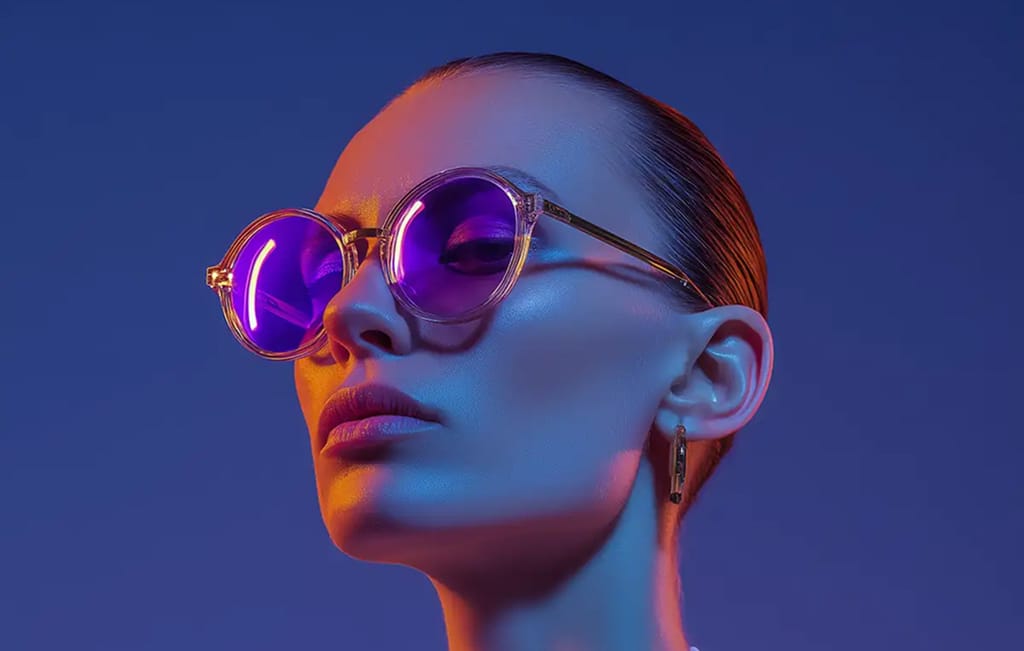
Generative AI tools like Midjourney and Stable Diffusion have changed the game, turning mere text into stunning visuals. However, not all prompts are created equality.
Moving past simple descriptions requires understanding the key components that give the AI the necessary context and direction to produce gallery-worthy art. This guide breaks down the essential structure of a prompt that commands attention.
Defining your core intent and subject
Every powerful prompt starts with a clear subject and a statement of the desired action. Think of this as the main noun and verb of your visual sentence.
Is it a lone astronaut, a futuristic cityscape, or a dramatic portrait? Specificity here is your best friend. Instead of "a city," try "a sprawling neon-drenched metropolis at dusk."
- Subject/Concept: The central focus (e.g., "A stoic, elderly lighthouse keeper").
- Action/Scene: What the subject is doing or where it is (e.g., "watching a distant storm").
- Style/Medium: The artistic direction (e.g., "digital painting, inspired by Zdzisław Beksiński").
- Lighting/Mood: The atmosphere and color palette (e.g., "volumetric light, dark academia aesthetic").
- Technical Parameters: Aspect ratios and quality settings (e.g.,
--ar 16:9 --quality 2).
By breaking down the prompt into these five parts, you transition from asking the AI to guess what you want to providing it with a detailed, actionable blueprint. Consistent use of this framework will dramatically improve your output quality and predictability across different models.

Comments